
Journey to Excellence: The Triumph of IATF 16949:2016 Certification

Prologue: A Vision of Quality In the heart of Saudi Arabia’s booming automotive sector, a visionary challenge was issued. Hans Lozay and his expert team at German Quality Service Ltd. believed that true transformation was more than just ticking off compliance boxes—it was about instilling a culture of excellence. Hungry for higher standards and inspired by decades of German quality expertise, they set out to bring the international benchmark of IATF 16949:2016 to life for a leading automotive manufacturer. The stage was set for a story where precision met passion, and quality became the cornerstone of success. Chapter 1: Laying the Foundation The project began with a powerful kick-off. Stakeholders gathered in a vibrant, well-orchestrated session to discuss expectations, define roles, and chart an ambitious timeline. The initial task was a thorough gap analysis. Hans Lozay’s team meticulously reviewed the organization’s existing quality systems, identifying discrepancies and opportunities for growth. This phase, characterized by intensive consultations and detailed assessments, revealed the critical gaps that needed bridging. Every observation became a steppingstone, ensuring the groundwork was solid enough to support a comprehensive Quality Management System (QMS) aligned with IATF 16949:2016. Chapter 2: Crafting a Customized Blueprint With a detailed roadmap in hand, the project advanced to designing a tailored QMS. Here, the magic lay in transforming findings from the gap analysis into a set of robust, clear, and enforceable processes. Hans Lozay’s team, equipped with deep industry insights, developed comprehensive documentation—manuals, standard operating procedures, work instructions, and customized forms—that not only met the stringent requirements of IATF 16949:2016 but also resonated with the local culture and operational nuances of the Saudi market. Parallel to system design, specialized training modules were crafted. The narrative of transformation was taking shape: quality managers, internal auditors, and process owners received interactive workshops that empowered them to grasp not only the “how” but also the “why” behind every process change. The newly developed blueprint was not just a document—it became a living guide toward sustainable quality and continuous improvement. Chapter 3: Empowering Through Coaching What truly set this project apart was its emphasis on coaching. Rather than leaving the transformation at the drafting table, Hans Lozay instilled a hands-on approach that nurtured skills and built confidence across every level of the organization. Weekly sessions, on-site workshops, and simulation audits became the norm. Quality professionals were not merely informed about the changes—they were engaged, coached, and inspired to drive the transformation themselves. In one memorable session, a seasoned internal auditor realized how much more effective the QMS could be when it was seen as a tool for daily improvement rather than an external check. This moment of clarity was repeated in countless workshops, where ideas flowed freely, and each team member came away empowered to root out inefficiencies and champion quality. The project, initially seen as a compliance exercise, was now a vibrant journey of skill-building and cultural change. Chapter 4: Steering Through Challenges to Victory After months of immersive coaching and methodical implementation, the organization was ready for the ultimate test: the external certification audit. With a palpable mix of anticipation and confidence, the team embarked on a pilot run, carefully orchestrating internal audits and fine-tuning corrective actions. The rehearsal—the full-scale mock audit—served as an adrenaline booster, revealing last-minute improvements and instilling deep-seated assurance among the stakeholders. When the day of the certification audit arrived, every challenge had been anticipated and overcome. The auditor were greeted by a system that was not only meticulously documented but also visibly alive through its teams’ intense commitment to continuous improvement. The success was not just in obtaining the certification—it was in witnessing an organization transformed by a shared passion for excellence. Epilogue: Lasting Impact and a New Era of Quality The triumphant certification of IATF 16949:2016 marked more than just an accreditation; it heralded a new era for the organization and the broader automotive industry in Saudi Arabia. Hans Lozay German Quality Service Ltd. had not only delivered the way to achieve certificate—they had instilled a legacy of quality empowerment. The organization now enjoyed improved operational efficiencies, heightened customer trust, and a sustainable culture of continuous improvement. The success story rippled across the industry, setting a benchmark and inspiring many others to embrace similar journeys. This narrative of transformation became a template for future projects. With each successful certification, the commitment to coaching and continuous development deepened, proving that when vision meets expertise, excellence is not just achievable—it becomes inevitable.
Pune, India
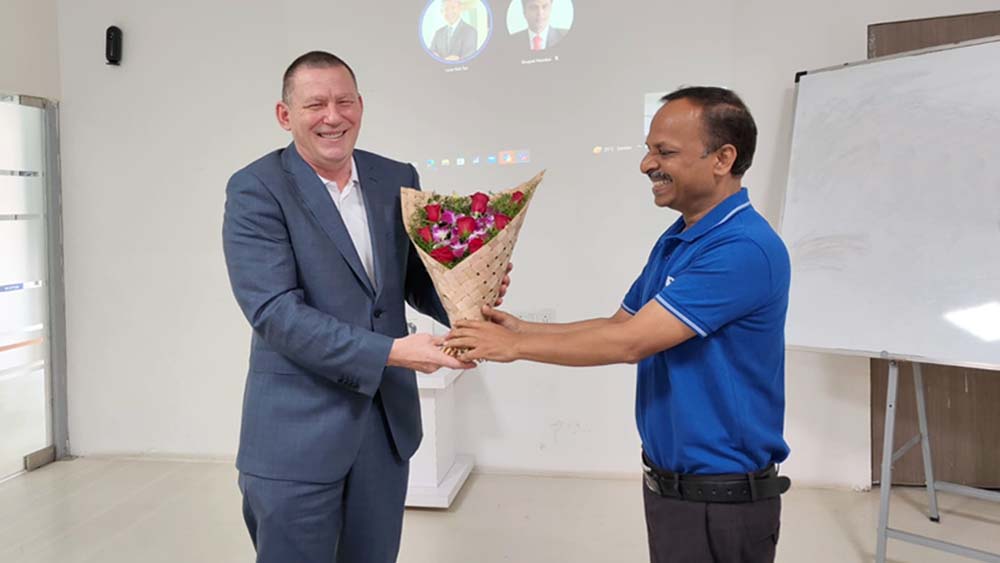
A story of change and relentless pursuit of excellence. It’s the success story of a Tier 1 automotive system supplier specializing in metal and welding components, who embarked on a VDA 6.3 implementation and audit journey led by a German quality service in Pune, India. A Journey of Transformation and Triumph In the bustling industrial hub of Pune, India, a renowned Tier 1 supplier had long been recognized for its high-quality metal and welding components. Yet, in an increasingly competitive global landscape, meeting the rigorous demands of German Original Equipment Manufacturers (OEMs) required more than traditional craftsmanship. The supplier realized that elevating its process standards was imperative to cement long-term partnerships and open doors to new opportunities. That’s when they decided to implement VDA 6.3—a comprehensive process audit standard specifically tailored for automotive quality—and partnered with a respected German quality service company. The Initiation The journey began with a series of introspective workshops. The German experts and the supplier’s leadership assembled for a detailed kick-off meeting, where expectations were clearly set, responsibilities were distributed, and an honest gap analysis was initiated. This phase was not merely about ticking boxes; it was about understanding the legacy of existing practices in metal fabrication and welding while identifying critical gaps that hindered a seamless quality process workflow. The initial findings laid a transparent foundation—the team recognized areas where process documentation was weak, inter-departmental communications could be enhanced, and risk analyses were sporadic. Despite the challenges, everyone was united by the common goal of growth and improvement. The Learning Curve and Process Refinement Recognizing that transformation begins with education, the German quality service company orchestrated tailored training sessions for internal auditors, process engineers, and quality control teams. Over several intensive days, the team delved into the core principles of VDA 6.3. They learned not only the theory behind the standard but also engaged in role-plays and simulation audits, designed to bring practical insights into everyday challenges on the production floor. The fusion of German precision and Indian dynamism was evident as culturally diverse teams found common purpose in learning, sharing, and implementing best practices. New process documentation was drafted, incorporating tighter quality controls, enhanced inspection points, and disciplined record-keeping practices. Implementation and Continuous Monitoring Taking the learning into the crucible of daily operations, the supplier revised its Standard Operating Procedures (SOPs) and revamped process risk assessments. The German team rolled out digital audit tools—dynamic checklists and real-time dashboards—that allowed for ongoing monitoring and swift corrective actions whenever deviations arose. Internal simulation audits soon became the norm. Through these iterative cycles, staff grew more confident, and the once daunting VDA 6.3 framework started to become part of daily operational DNA. The comprehensive corrective and preventive action plans (CAPA) were not merely a means to address deficiencies but evolved into powerful tools for continuous improvement across the plant. Production defects dropped, process efficiencies improved, and, crucially, the team built a culture of shared responsibility and quality-first thinking. The Culmination: External Audit and Certification Months of dedication culminated in the final external audit. With acute attention to detail and the enhanced processes clearly on display, the German quality service team carried out a rigorous and transparent evaluation. Every department—from project management to supplier integration—demonstrated adherence to VDA 6.3 benchmarks. The auditors noted that what was once an ad hoc process had now been transformed into a disciplined, proactive system that not only met but exceeded many of the standard’s requirements. The final audit report was glowing. The supplier was awarded the coveted VDA 6.3 certification—a mark of excellence that reassured current OEM partners and served as a springboard for new business. After the Audit: A New Era of Continuous Improvement Post-certification, the supplier’s transformation did not end with a certificate on the wall. The entire organization adopted a continuous improvement roadmap. Regular debriefings and follow-up audits became part of the routine, ensuring that the rigorous standards of VDA 6.3 would be maintained even in the long term. The success story was celebrated not just as a compliance milestone but as a testament to the power of cultural synergy, clear communication, and unwavering commitment to quality.
Cultivating Excellence

The VDA 6.3 Transformation in Shanghai In the heart of Shanghai’s dynamic automotive sector, one premier production plant faced mounting challenges in meeting the demands of an increasingly competitive global market. With inconsistent quality metrics and rising defect rates, plant leadership recognized the urgent need to elevate operational standards. The solution emerged in the form of a comprehensive VDA 6.3 training and certification initiative—delivered by a renowned German quality service consulting company known for its rigorous approach and deep manufacturing expertise. A Partnership Built on Expertise and Vision The plant’s management, determined to align their processes with international benchmarks, partnered with the German consulting firm “QualiPro Solutions.” This team of experts, with decades of experience in lean manufacturing and quality improvement in the automotive sector, engineered a tailored training program. Their mission was clear: empower every member of the workforce—from senior quality engineers to front-line operators—to master and implement the meticulous standards of VDA 6.3. Designing a Comprehensive Training Program QualiPro Solutions developed a multi-faceted training curriculum that perfectly blended theoretical knowledge with hands-on practice. The program was built around several key components: Interactive Workshops: Experts led immersive sessions where employees explored VDA 6.3 principles through real-life scenarios and case studies. These workshops fostered engaging debates on process inefficiencies and instilled a deep understanding of quality auditing techniques. Simulated Process Audits: The training included live simulations, replicating the plant’s assembly line challenges. Employees practiced identifying process bottlenecks and executing corrective measures in a controlled environment, which not only solidified their learning but also built confidence. Digital Learning Modules: Complementing the face-to-face sessions were digital modules accessible on-demand. These modules provided video tutorials, quizzes, and interactive dashboards that offered real-time feedback on performance metrics, ensuring continual learning reinforcement. Mentorship and Cross-functional Collaboration: Senior consultants from QualiPro Solutions worked closely with plant teams to provide one-on-one mentoring. This approach broke down silos, forming an integrated culture of collaboration and shared ownership over quality improvements. Achieving Certification and Operational Excellence After months of intensive training and internal audits, the plant was ready for the formal VDA 6.3 certification process. The rigorous assessments were designed to verify whether improvements in process control, non-conformity management, and continuous development met the international standard. The external auditors, impressed by the plant’s operational transformation, confirmed the successful compliance with VDA 6.3. This certification was not just a badge of honor—it validated the plant’s commitment to quality refinement and operational excellence, significantly reducing defect rates and streamlining production. Long-Term Impact and Future Horizons The transformation touched every facet of the production process. Post-certification, the Shanghai plant experienced a marked improvement: Enhanced Quality: A substantial reduction in defect rates and improved consistency across production lines. Operational Efficiency: Streamlined processes led to shorter turnaround times and optimized resource management. Empowered Workforce: Employees became proactive contributors to a culture of continuous improvement, regularly engaging in Kaizen events and internal audits. Market Competitiveness: The VDA 6.3 certification amplified customer trust and opened new pathways to global partnerships. Today, the plant stands as a beacon of manufacturing excellence—a living testament to how rigorous training and strategic international collaboration can transform an entire production ecosystem. The success story in Shanghai illustrates that when modern quality standards meet expert guidance, the transformation is not just on paper but woven into the fabric of everyday operations.
Saltillo, Mexico
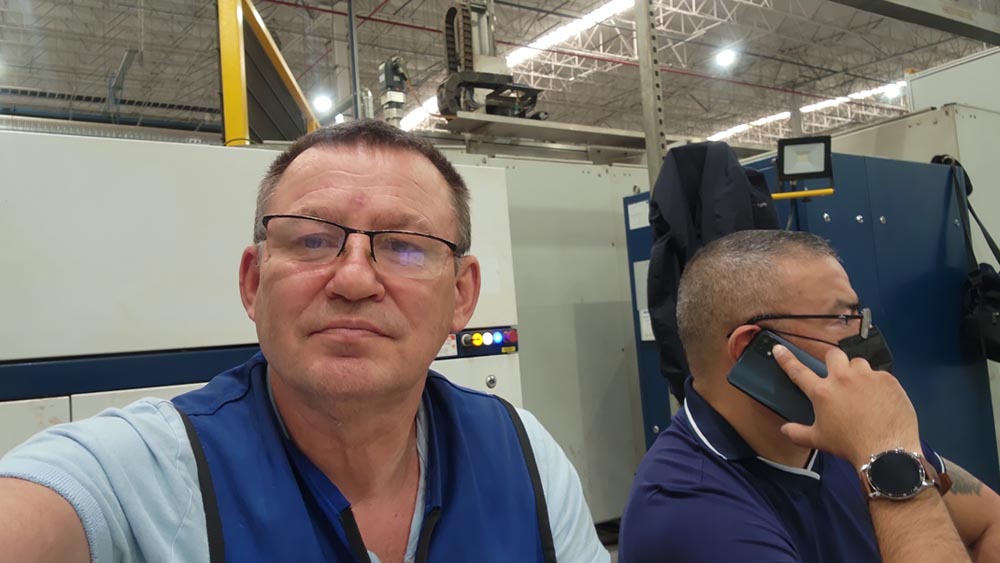
Saltillo, Mexico: A Manufacturing Transformation In Saltillo, Mexico, a visionary Tier 1 automotive manufacturing plant was facing mounting pressures: delayed production schedules, high defect rates, and an aging production line that struggled to keep pace with today’s rapid innovation. Recognizing a pivotal opportunity, the German Quality Service’s leadership and manufacturing engineers embarked on a transformative journey to reimagine every aspect of customer production process. At the heart of this transformation was Hans Lozay, the lead manufacturing engineer whose incisive analysis identified systemic bottlenecks. Hans and his team rolled up their sleeves, conducting detailed time-motion studies and engaging workers on the floor in candid feedback sessions. They discovered that manual assembly tasks and outdated quality-control procedures were the primary culprits slowing production. With a clear understanding of the issues, the team decided to integrate TPM manufacturing principles and rebuild automation technologies. This marked the beginning of a multi-phased improvement initiative designed to boost efficiency and enhance quality. Initial Improvements: Kaizen and Automation The team’s first milestone was a series of “Kaizen” events—intensive workshops that empowered every floor worker to share ideas for immediate, incremental improvements. They reorganized the production layout, removed unnecessary hand-offs, and introduced advanced tools such as automated collaborative robots. For instance, automated robotic arms were optimal programmed to handle repetitive assembly operations, while precision sensor systems took over the rigorous task of defect detection on the production line. This innovative blend of human oversight and robotic efficiency not only reduced errors by 50% but also boosted overall throughput by 25% within just six months. The Role of Technology: Digital Twin But technology was only part of the equation. Recognizing the importance of data-driven decision-making, the plant also updated a state-of-the-art digital twin simulation platform. This powerful tool allowed the team to run virtual scenarios, test process changes, and optimize workflows without halting production. The digital twin became a sandbox for innovation, where potential adjustments were vetted for maximum impact before their physical implementation. The result was a dynamic, responsive production system that continuously evolved, ensuring it always met the high standards of the competitive automotive industry. Cultural Shift and Broader Impact Central to the success of this project was a profound cultural shift. The transformation was cultivated through daily scrum sessions where engineers and floor staff collaborated, celebrated small victories, and quickly addressed emerging challenges. This inclusive approach not only improved operational metrics but also elevated worker morale. Employees began to see themselves as indispensable innovators, contributing to a collective vision of excellence that resonated throughout the plant. Suppliers, too, were quick to adjust their processes in response to the plant’s newfound agility, thus creating a more integrated, efficient supply chain across the board. A Model for Modern Manufacturing Today, the Saltillo plant stands as a beacon of modern manufacturing success—a testament to how strategic engineering innovations, continuous improvement, and a culture of collaboration can revolutionize production. The transformative changes made by Hans Lozay and his team have not only set new industry benchmarks but have also inspired similar initiatives at automotive facilities worldwide. This story is a vivid illustration that excellence in manufacturing is as much about people and culture as it is about technology and processes.
Green Horizons
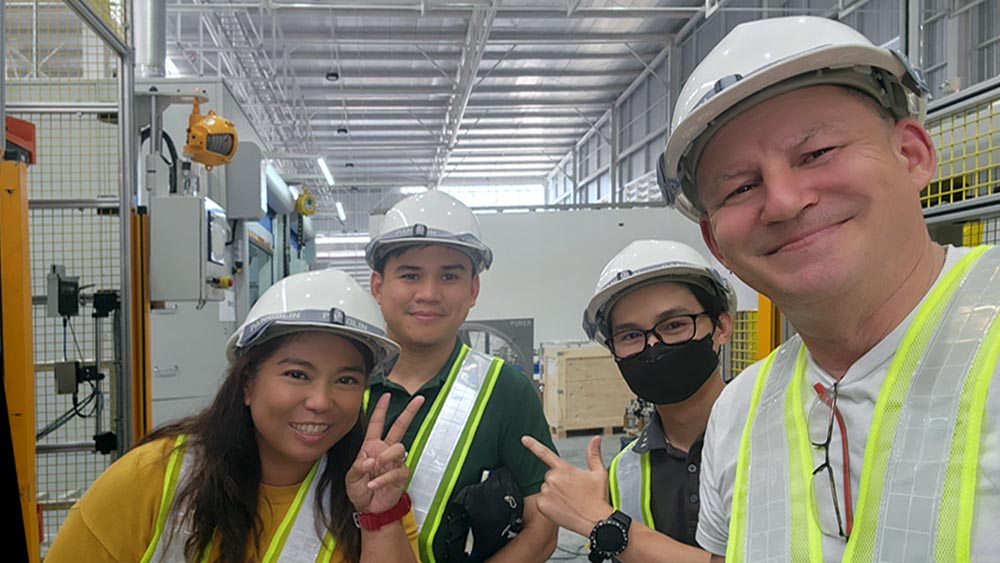
German Quality Service Support Purem by Eberspächer’s Breakthrough in Rayong, Thailand In a bold stride toward sustainable and clean mobility, Purem by Eberspächer joined forces with AAPICO Hitech to build a brand-new, greenfield automotive factory in Rayong, Thailand. The goal was ambitious: to establish a cutting-edge exhaust systems production facility that not only meets strict international emission standards but also demonstrates agile execution in an emerging automotive hub. Strategic planning meetings—bolstered by interactive digital tools—allowed all stakeholders to visualize facility layouts, fine-tune production workflows, and simulate potential challenges in real time, setting the stage for a flawless launch. Planning & Digital Interactivity The planning phase was distinguished by its reliance on modern, interactive tools. Engineers and project managers conducted virtual walkthroughs using a digital twin of the proposed factory, enabling stakeholders to adjust design parameters and production processes before ground was even broken. Interactive timelines and data visualization dashboards promoted transparency, ensuring that every decision was backed by real-time analytics. This innovative approach not only increased investor confidence but also streamlined coordination with local authorities and technical partners in Thailand. Execution & Innovation Once the blueprint was locked in, the project shifted from vision to reality at an impressive pace. Over just five months, construction transformed a vacant 3,000-square-meter space within the AAPICO Rayong campus into a bustling production facility. The new plant, ideally located approximately 100 kilometers southeast of Bangkok and near the key Laem Chabang Port, was engineered with state-of-the-art automation and advanced quality control systems. Over 150 local experts—trained with the help of interactive learning modules—were at the helm of production, crafting exhaust systems that satisfy stringent standards such as Euro 6, CARB – LEV III, and EPA – TIER 3. The Impact On its grand opening, the Purem by Eberspächer facility in Rayong exemplified a new era for the automotive industry in Southeast Asia. The plant quickly ramped up to a yearly production capacity of 300,000 components, catering to a major US automotive manufacturer’s pick-up truck platform. More than a production powerhouse, the project served as a catalyst for community development—generating local jobs and establishing partnerships with technical colleges and training programs. The robust performance of the factory also reinforced Thailand’s reputation as the “Detroit of Asia,” bolstering the country’s automotive manufacturing credentials on a global stage.
Greenfield Triumph

German Quality Service support installation and SOP production lines, laboratory and the Quality department, APQP Purem by Eberspächer’s Flagship Automotive Factory in Kuala Lumpur The Vision In a bold commitment to drive clean and quiet mobility, Purem by Eberspächer set out to establish its newest manufacturing stronghold in Kuala Lumpur. The project’s ambition was to build a fully integrated facility dedicated to producing advanced exhaust aftertreatment systems. These systems, designed for both traditional combustion and next-generation hybrid engines, would meet stringent international emission standards and support the rapidly evolving Southeast Asian automotive market. To ensure every decision reflected modern efficiency, the planning phase was transformed into a digital experience. Using interactive digital twin models and virtual design platforms, key stakeholders—ranging from in-house engineers to regional partners—could explore every detail of the prospective facility. Interactive dashboards rendered real-time analytics on layout simulations, production flows, and environmental impact, thereby aligning the project with both operational excellence and sustainability. Planning & Digital Interactivity The initial phase was defined by visionary strategy and deep digital interactivity. The project team with Hans Lozay: Employed Digital Twin Technology: A virtual replica of the planned 5,000-square-meter facility allowed for simulated walkthroughs of production lines, quality control zones, and R&D areas. This helped pinpoint potential bottlenecks before physical construction began. Utilized Interactive Timelines & Dashboards: Every critical milestone—from site acquisition to equipment installation—was tracked on an interactive, web-based dashboard. This not only improved transparency with investors but also enabled real-time troubleshooting and process optimization. Collaborated Across Borders: Digital collaboration tools bridged geographical gaps, allowing local Malaysian experts, international advisors, and our project leadership to engage in real-time problem solving and strategic planning. This digital-first approach laid a solid groundwork for execution, establishing trust through measurable goals and a clear visual roadmap. Execution & Innovation Once the project blueprint was finely tuned, construction commenced on a new greenfield site just on the fringe of Kuala Lumpur’s bustling innovation corridor. Here’s how execution unfolded: Rapid Construction: Within a 14-month timeframe, the once-vacant lot transformed into a thriving factory complex. Modular construction methods and just-in-time delivery of equipment ensured adherence to tight deadlines. Advanced Manufacturing Integration: The production lines featured state-of-the-art robotics, automated quality checks, and smart sensor networks. These systems fed data into the pre-established digital dashboards, allowing continuous monitoring of production metrics and energy efficiency. Sustainability by Design: Emphasis was placed on environmental stewardship. Renewable energy systems, such as solar installations and energy recovery units, complemented the plant’s design—achieving significant reductions in waste and emissions. Every phase was digitally documented and available for interactive review, giving stakeholders access to live updates, production stats, and quality control insights. Impact & Legacy At its grand opening, the Kuala Lumpur facility was celebrated not only as a technical triumph but also as an economic boost for the local community. Within months of launch: Production Milestone: The factory reached an inaugural production target of 200,000 components annually, positioned to serve key automotive markets across Asia and beyond. Job Creation & Skills Development: Over 150 local experts were employed, supported by partnerships with regional technical institutes. Tailor-made training programs by German Quality Service equipped the local workforce with advanced manufacturing skills, setting a benchmark for future industry-academia collaborations. Global Industry Influence: Purem by Eberspächer’s achievement signaled a new era for greenfield projects in emerging markets. The facility quickly became a reference model for how interactive digital tools can elevate the planning, execution, and management of complex industrial projects. In addition to production success, interactive elements continue to play a vital role. An embedded digital twin now offers remote investors a 24/7 view of live production data, while dynamic dashboards display real-time environmental metrics and energy usage—to further exemplify the plant’s commitment to transparency and sustainability.